How Verification Timelines Shape Deposit Boundaries in Handheld Gaming Environments
Quinn Berger · Jul 8, 2026
How Verification Timelines Shape Deposit Boundaries in Handheld Gaming Environments
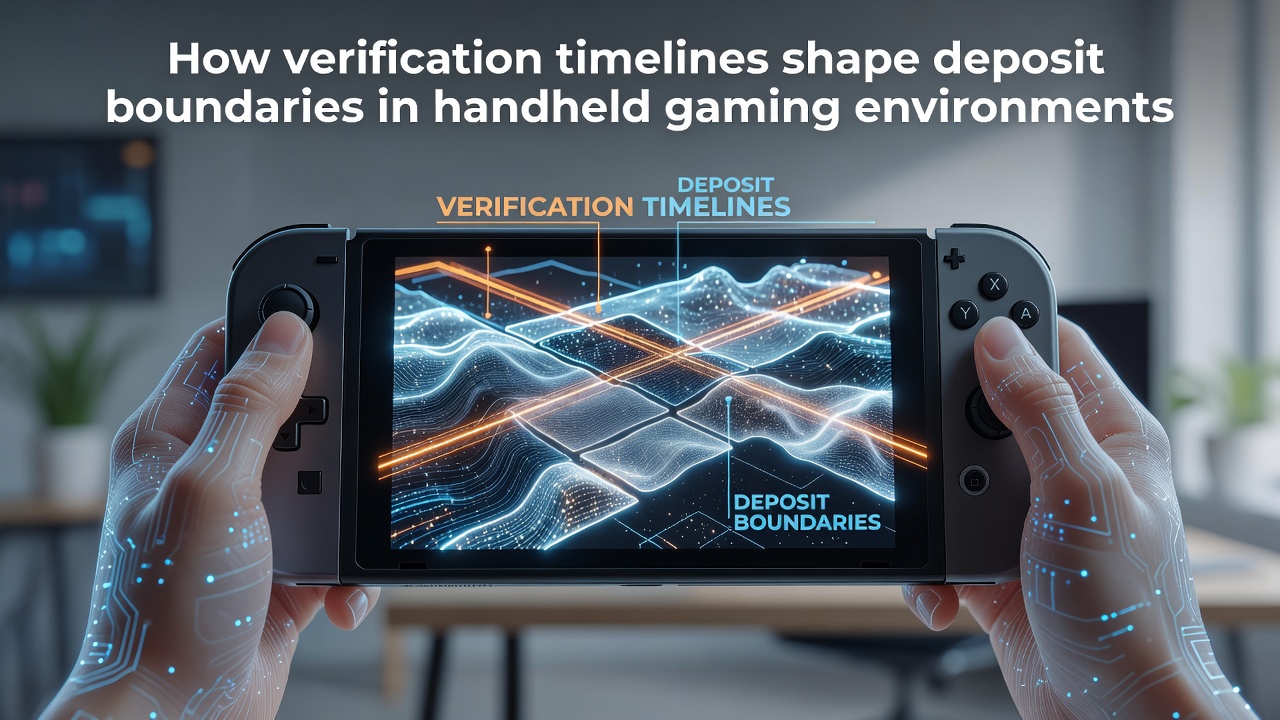
Verification timelines in handheld gaming environments directly influence the deposit boundaries operators set for players, since regulatory frameworks require identity confirmation before higher funding levels activate, and shorter approval windows allow quicker access to elevated limits while extended processes keep initial caps low until checks complete. Data from multiple jurisdictions shows that instant or same-day verifications correlate with deposit thresholds rising within hours, whereas multi-day reviews maintain stricter boundaries to comply with anti-money laundering standards across mobile platforms.
Regulatory Requirements Driving Timeline Variations
Authorities in different regions establish distinct verification protocols that operators must follow, and these rules determine how quickly deposit boundaries expand on handheld devices. The Nevada Gaming Control Board outlines procedures where identity documents undergo review within 24 to 48 hours for most mobile applications, which in turn permits deposit increases once confirmation occurs. Similarly, the Malta Gaming Authority requires operators to complete core checks before releasing higher funding tiers, resulting in deposit boundaries that remain capped during the interim period. Observers note that jurisdictions with automated systems process verifications faster, which expands available deposit amounts sooner and aligns player activity with compliance expectations.
Impact on Initial Deposit Caps
Handheld gaming apps typically restrict unverified accounts to modest deposit amounts such as $50 or $100 per transaction until full verification finishes, and this structure prevents unauthorized large transfers while identity confirmation proceeds. Research indicates that verification completed within the first hour often unlocks deposit boundaries up to $500 or more, whereas delays stretching beyond 72 hours keep those limits in place for extended periods. Operators adjust these thresholds dynamically through their backend systems, so players experience gradual increases as each verification stage concludes successfully.
Technical Integration of Verification and Funding Systems
Mobile platforms link verification modules directly to payment gateways, which means deposit boundaries update automatically once identity status changes from pending to approved. This integration relies on secure data exchanges between third-party verification providers and casino software, allowing real-time adjustments without manual intervention. Studies from industry research groups reveal that seamless API connections reduce average verification times to under six hours in many cases, which correspondingly raises deposit ceilings and supports uninterrupted play sessions on handheld devices.
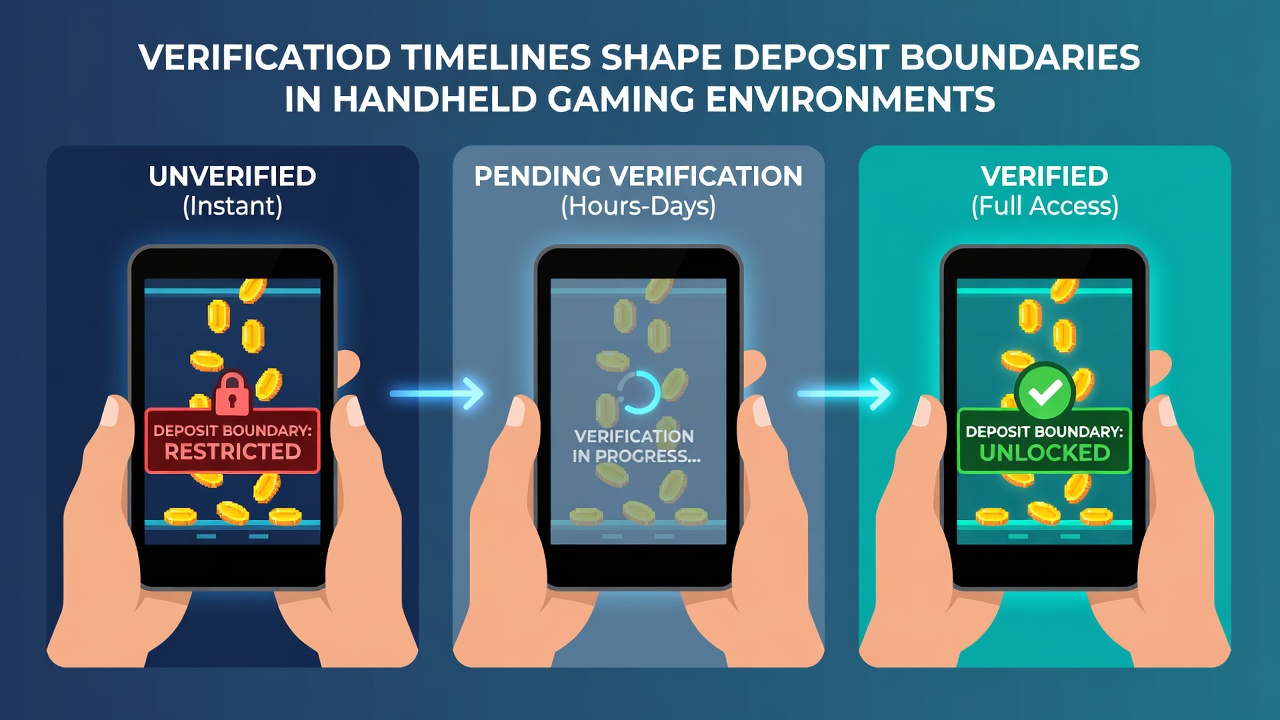
Yet longer timelines occur when additional document requests arise, and operators respond by maintaining conservative deposit boundaries until all requirements receive clearance. This approach protects both players and platforms while meeting obligations set by oversight bodies.
Geographic Differences in Processing Speeds
Verification speeds vary significantly by region because local regulations and available technology infrastructure shape operational timelines. North American operators often achieve faster results through integrated state databases, which allow deposit boundaries to scale upward within a single business day. In contrast, certain international markets rely on manual reviews that extend the process to several days, keeping initial funding limits tighter throughout that window. Figures from regulatory reports show that regions investing in biometric verification tools consistently record shorter approval periods and correspondingly higher average deposit thresholds once accounts clear.
Player Adaptations and System Responses
Users frequently select payment methods that pair with rapid verification services, which accelerates the timeline and expands deposit boundaries more quickly on their handheld devices. Operators track these patterns and sometimes prioritize certain verification partners to reduce wait times across their mobile user base. Evidence suggests that accounts using electronic identification options complete checks faster than those relying on manual uploads, leading to earlier access to elevated deposit amounts in many applications.
Conclusion
Verification timelines continue to define deposit boundaries in handheld gaming because regulatory compliance demands identity confirmation before higher funding levels become available, and the speed of that confirmation directly controls when those boundaries shift. As technology evolves, operators refine their systems to shorten processing windows while maintaining required safeguards, which results in more responsive deposit structures across mobile environments. Data from regulatory sources and industry analyses demonstrates that shorter verification periods consistently correlate with expanded deposit options, shaping how players interact with handheld gaming platforms over time.