Synchronizing Alert Systems with User Habits for Safer Mobile Gaming Sessions
Eden Richter · Aug 5, 2026
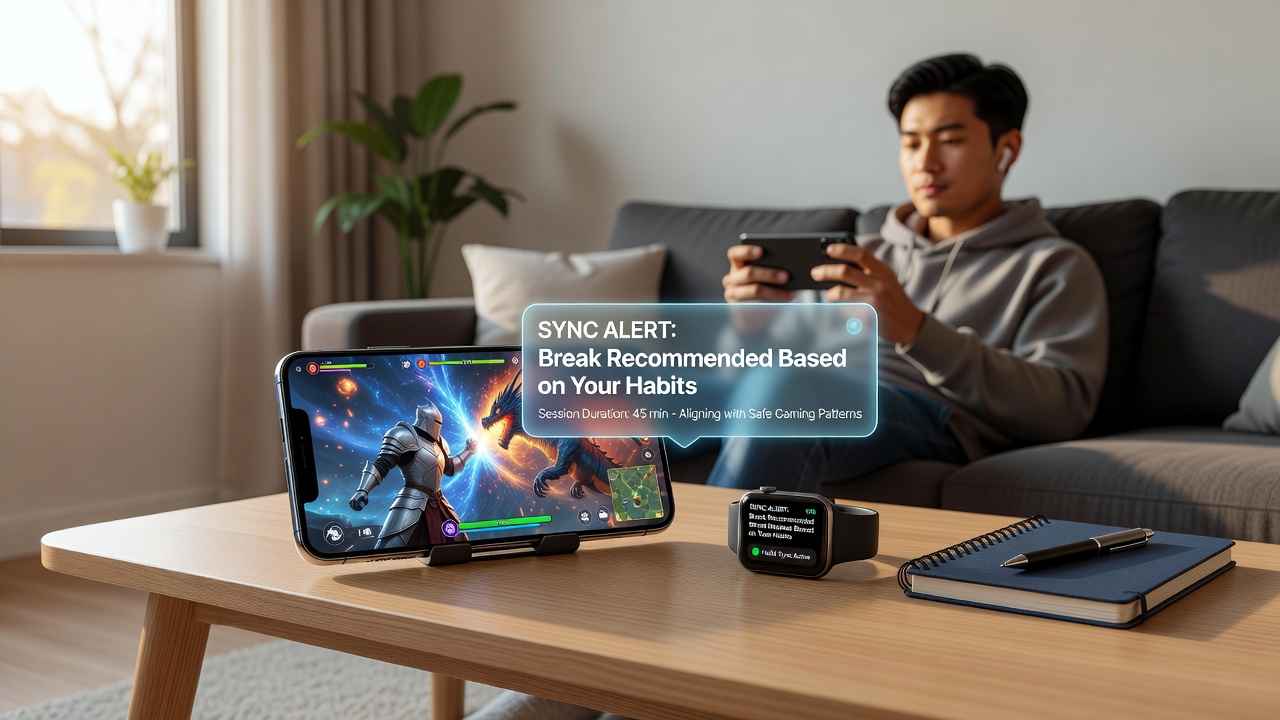
Synchronizing Alert Systems with User Habits for Safer Mobile Gaming Sessions
Developers now integrate alert mechanisms directly with tracked patterns of play in mobile gaming applications, creating systems that adjust reminders and pauses based on individual behaviors rather than fixed schedules. This approach draws on data from session length, frequency of logins, and spending trends to deliver notifications at moments when users typically show signs of extended engagement.
Tracking Behavioral Patterns in Mobile Environments
Applications collect anonymized metrics such as average time spent per session and preferred game types, then feed these into algorithms that predict when a user might benefit from a break. Research from the Canadian Centre on Substance Use and Addiction indicates that pattern-based alerts reduce prolonged sessions by aligning interventions with actual habit cycles instead of generic timers. Those who study mobile gaming data note that users often follow consistent rhythms, like longer evening plays on weekdays, allowing systems to anticipate peaks and insert tailored prompts.
Algorithms process inputs including device usage alongside in-app activity, which helps distinguish between casual browsing and focused gaming periods. In August 2026 several platforms began rolling out updates that incorporate sleep schedule correlations drawn from optional user inputs, further refining when alerts appear to avoid disrupting natural rest patterns.
Technical Integration of Alerts and Habits
Systems rely on machine learning models trained on aggregated datasets to synchronize notifications with user-specific thresholds. For instance, an alert might activate after a user exceeds their typical session duration by 20 percent, presenting options to continue with limits or switch activities. Developers combine this with push notifications that reference past behavior, such as suggesting a different game mode after repeated high-stakes sessions.
What's interesting is how these models update in real time, adjusting based on recent changes like increased frequency during holidays or weekends. Observers note that integration with device-level features, including screen time reports, allows alerts to feel less intrusive because they mirror familiar phone notifications rather than standalone gaming interruptions.
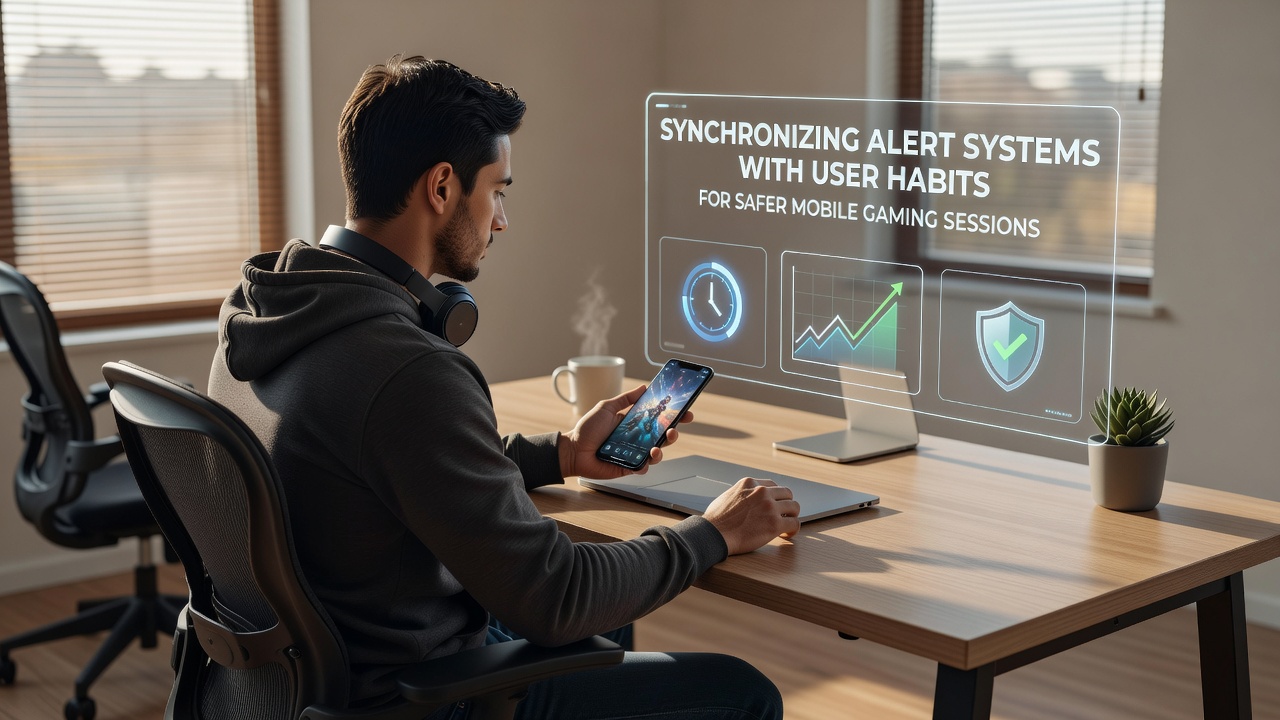
Evidence from Implementation Studies
Data from industry reports shows measurable shifts when synchronization occurs. A 2025 analysis by Gambling Research Australia found that apps using habit-matched alerts recorded higher user retention alongside lower average spend per session compared to those relying on static warnings. Researchers tracked thousands of accounts over six months and observed that prompts timed to individual fatigue points led to more voluntary pauses than standard pop-ups.
Take one case where experts examined European platforms that linked alerts to deposit frequency patterns. Those platforms reported fewer self-exclusion requests because users received guidance before reaching personal limits they had set earlier. The reality is that synchronization works best when combined with user-controlled customization, letting individuals adjust sensitivity levels for different game categories.
Regional Approaches and Regulatory Context
Regulatory bodies across regions encourage these synchronized features through guidelines that emphasize personalization. In Canada, provincial frameworks highlight the value of data-driven interventions for mobile formats, while Australian state programs have tested similar systems in pilot projects launched ahead of August 2026 updates. Figures reveal that regions adopting these methods see improved compliance metrics because alerts align with documented user routines rather than one-size-fits-all rules.
But here's the thing: implementation varies by platform size, with larger operators investing in proprietary models while smaller developers partner with third-party analytics providers. This creates a landscape where synchronization techniques evolve rapidly as more datasets become available for training purposes.
Future Developments in Habit-Aligned Safety Tools
Upcoming enhancements focus on cross-device continuity, so alerts follow users from phone to tablet without resetting patterns. Academic papers from institutions like the University of Sydney's gambling studies group project that incorporating biometric signals, such as optional heart rate data from wearables, could further refine timing for maximum effectiveness. Those who've examined early prototypes report smoother integration that maintains engagement while supporting moderation goals.
Conclusion
Synchronization of alert systems with user habits continues to shape safer mobile gaming by grounding interventions in real behavioral data. As platforms refine these tools through ongoing research and regional standards, the approach supports balanced participation across diverse user groups without relying on rigid schedules. Continued data collection and model improvements promise further alignment between technology and individual routines in the months ahead.