The Subtle Choreography Between Reward Structures and Self-Imposed Limits in Portable Entertainment Apps
Quinn Berger · Aug 19, 2026
The Subtle Choreography Between Reward Structures and Self-Imposed Limits in Portable Entertainment Apps
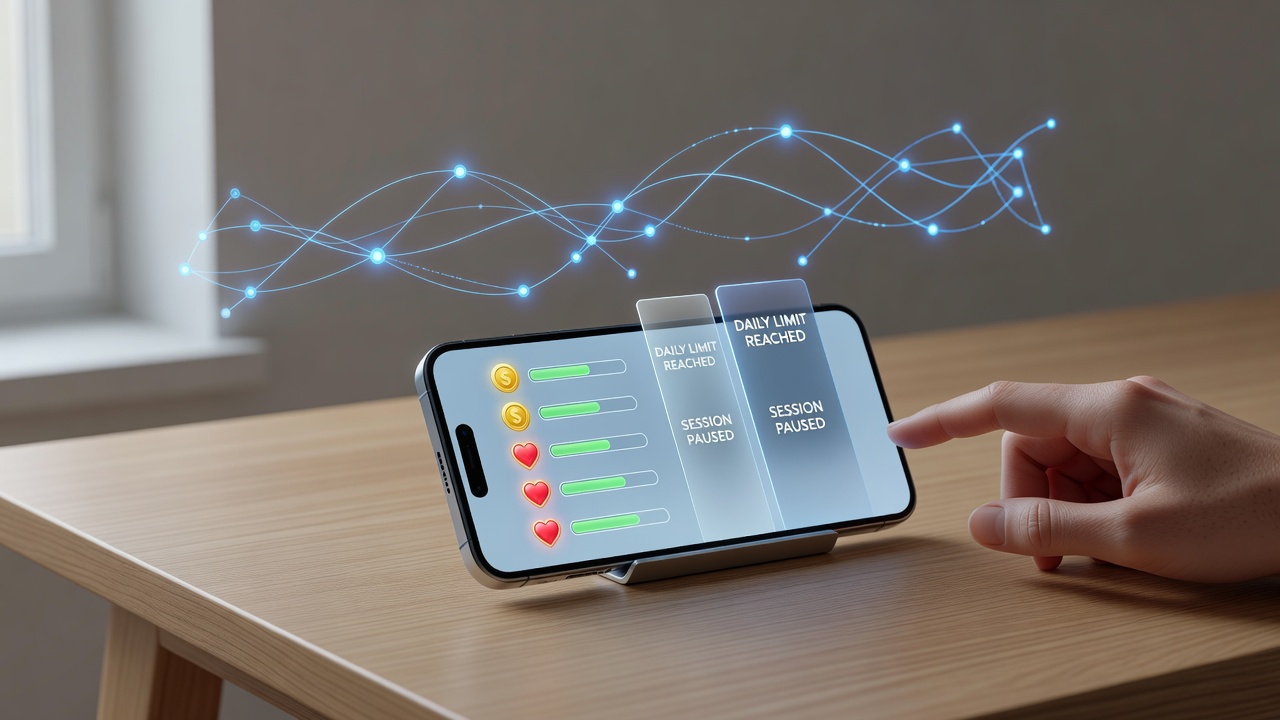
Portable entertainment apps have developed intricate systems that pair escalating rewards with tools for users to set personal boundaries, creating a dynamic balance observed across fitness trackers, casual mobile games, and social platforms. Researchers note that these designs often incorporate daily streaks, achievement badges, and personalized notifications alongside customizable features such as time caps and spending alerts, allowing individuals to engage while maintaining control over their habits. Data from industry analyses in August 2026 indicate steady growth in adoption of these dual mechanisms, particularly as app developers respond to user preferences for structured yet flexible experiences.
Core Elements of Reward Systems
Reward structures in these applications typically rely on progressive incentives that encourage repeated interaction, including points accumulation, level progression, and exclusive content unlocks that become available after consistent participation. Studies conducted by academic institutions reveal that such elements draw from established behavioral principles, where immediate feedback loops reinforce continued use through visual and auditory cues delivered directly to the device. Observers point out that many apps segment rewards into short-term bursts for quick satisfaction and longer-term milestones that require sustained effort, a pattern evident in both solo gaming titles and community-based challenges.
Yet the integration of these rewards does not operate in isolation, since developers frequently embed options for users to calibrate their exposure from the outset. One study revealed that participants who activated reward tracking alongside self-set goals reported higher retention rates over multi-week periods, suggesting the mechanisms can complement rather than conflict when properly aligned.
Mechanics of Self-Imposed Limits
Self-imposed limits appear in various forms within portable entertainment apps, ranging from daily usage timers and notification pauses to monetary thresholds on virtual purchases and content filters that restrict certain features after predefined thresholds. According to figures released by the Australian Communications and Media Authority, adoption of these controls has increased notably among users aged 18 to 34, coinciding with broader availability of in-app dashboards that display real-time usage statistics. These tools often allow adjustments on a session-by-session basis or through recurring schedules, providing flexibility that adapts to changing routines without requiring external intervention.
People who've examined app analytics observe that limit-setting interfaces tend to surface most prominently after extended play sessions or following reward redemptions, positioning them as natural checkpoints rather than interruptions. This placement strategy helps maintain flow while still offering clear pathways to moderation, a technique documented in multiple platform updates rolled out during the first half of 2026.
Interactions Between Rewards and Limits
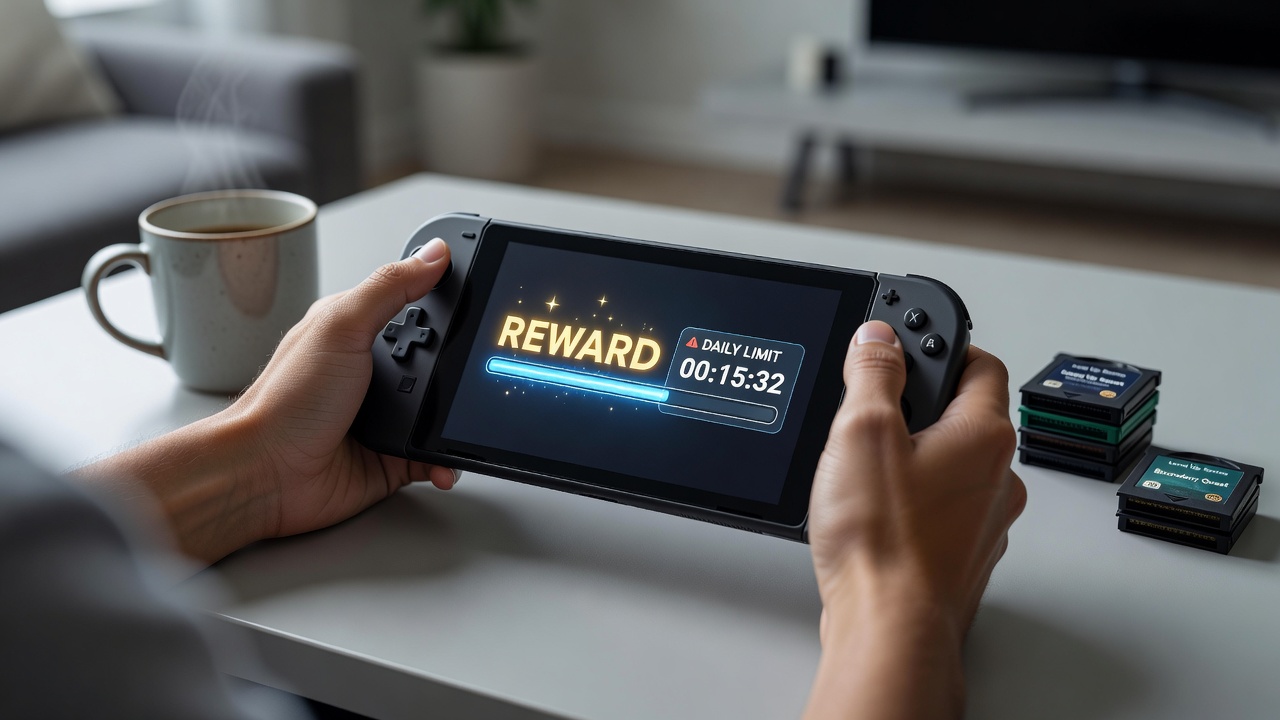
The interplay emerges most clearly when reward notifications prompt users to extend sessions, only for limit reminders to activate simultaneously and present a choice point. Research indicates that well-designed systems present both elements in coordinated sequences, such as displaying accumulated progress before surfacing a usage summary that invites adjustment. Experts have observed this choreography in fitness applications where streak counters pair with weekly activity caps, and in puzzle games that offer bonus rounds alongside optional cooldown periods. Evidence suggests that when these features synchronize effectively, users maintain engagement levels without exceeding intended boundaries, a result tracked through anonymized behavioral datasets shared by several major platforms.
Take one developer who integrated reward calendars with automated limit prompts, resulting in measurable declines in user-reported fatigue across test groups. Data shows similar patterns in social entertainment apps, where community challenges include built-in exit options that preserve earned status while enforcing rest intervals. Those who've studied this know that timing plays a decisive role, since alerts delivered too early can dilute reward impact, whereas late placement may reduce limit effectiveness.
Platform Variations and User Responses
Different categories of portable entertainment apps exhibit distinct approaches to balancing these elements, with casual games emphasizing quick reward cycles paired with session timers, while wellness apps lean toward milestone tracking alongside customizable daily goals. Figures reveal that European users encounter more standardized limit options due to regional guidelines, whereas North American platforms often provide optional toggles that users must seek out. Academic reviews compiled in mid-2026 highlight how these variations influence overall satisfaction, noting higher compliance rates when reward visibility remains consistent regardless of limit status.
Examples from multiple app ecosystems demonstrate that users frequently toggle limits based on reward density, increasing restrictions during high-intensity periods and relaxing them when progress slows. This adaptive behavior underscores the choreographed nature of the systems, where each component informs the other without direct override.
Conclusion
The coordination between reward structures and self-imposed limits continues to shape engagement patterns in portable entertainment apps, supported by ongoing refinements documented through user data and platform metrics. As August 2026 developments show expanded integration of these features, the mechanisms remain central to how applications sustain interest while accommodating individual control preferences across diverse user groups.